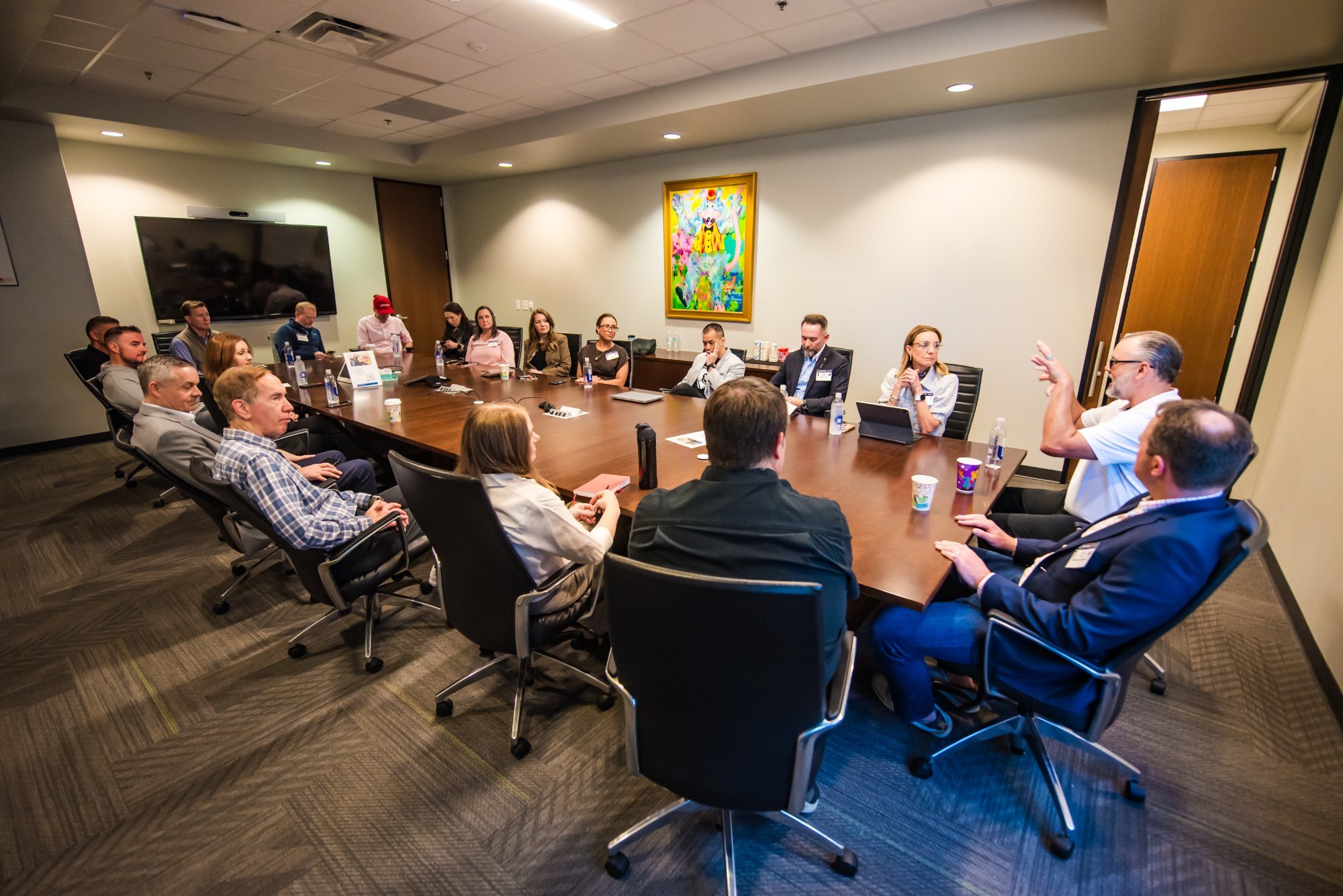
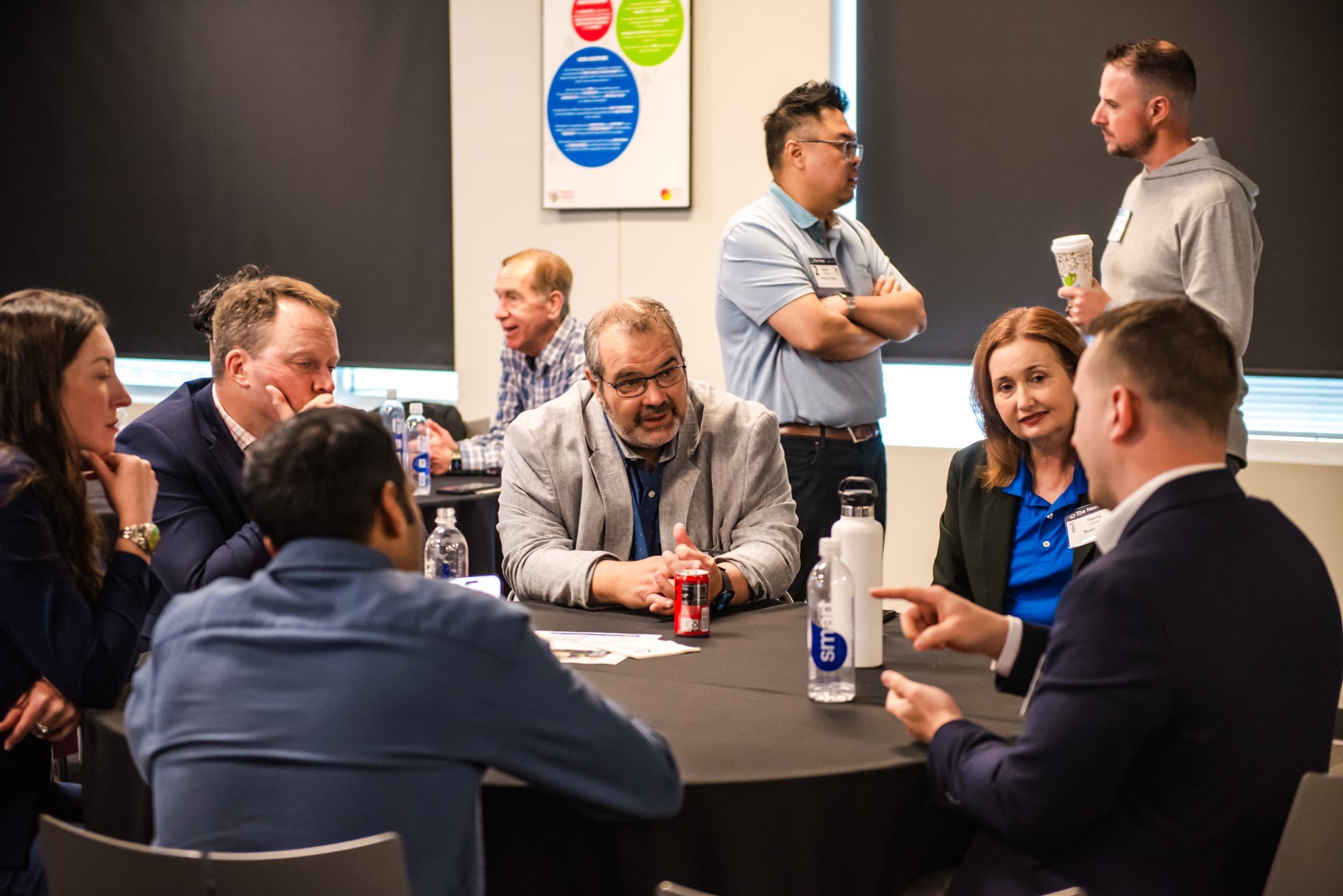
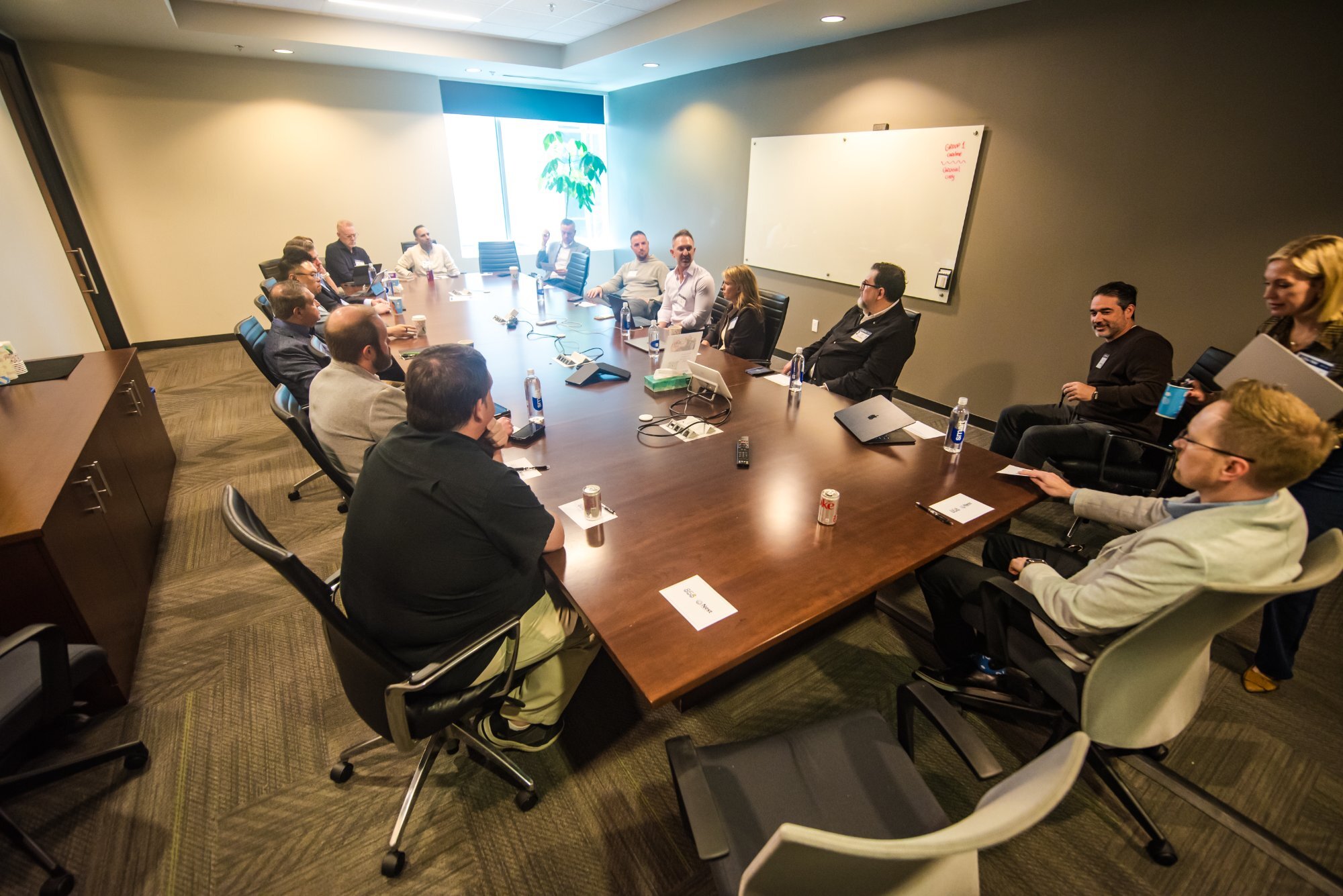
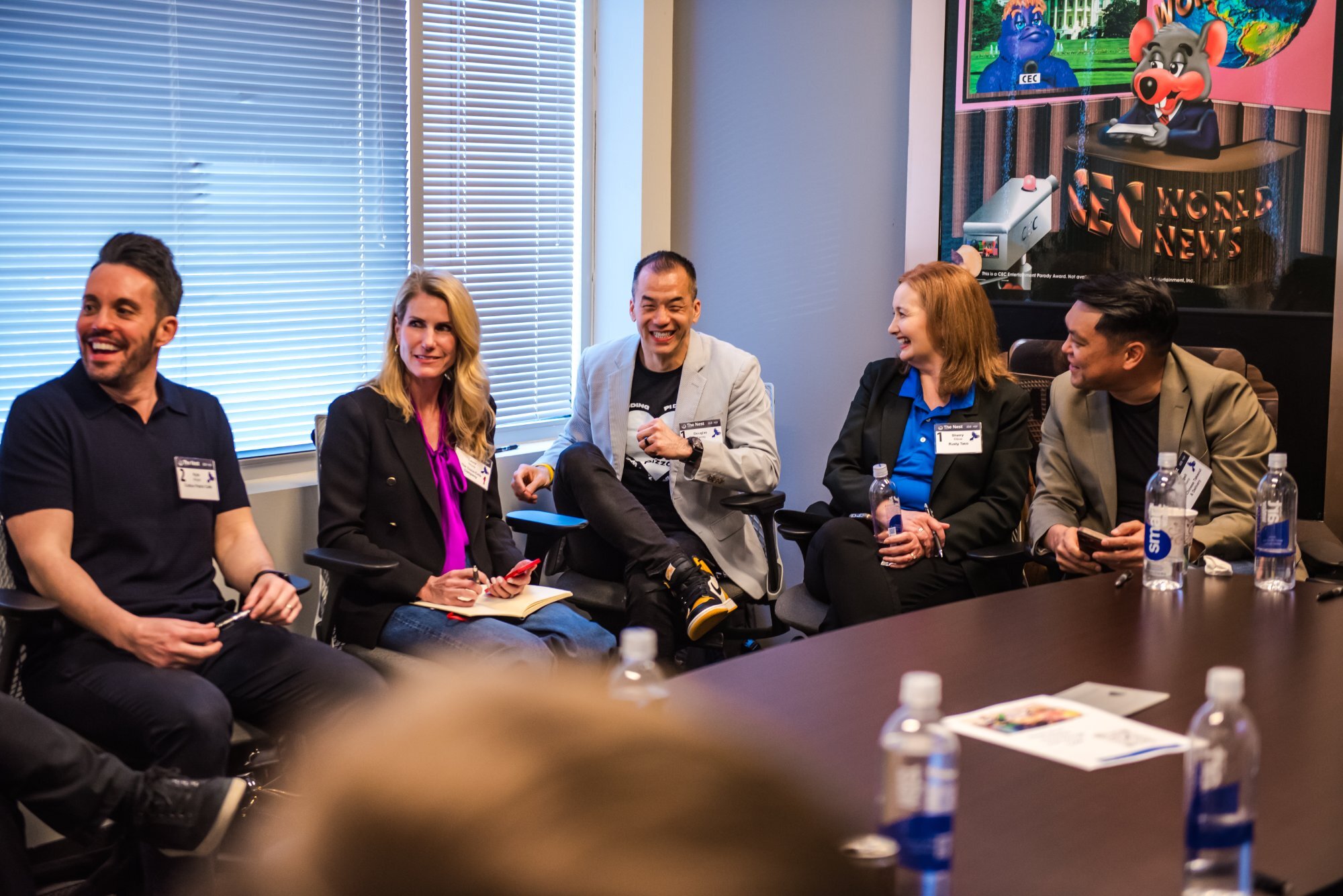
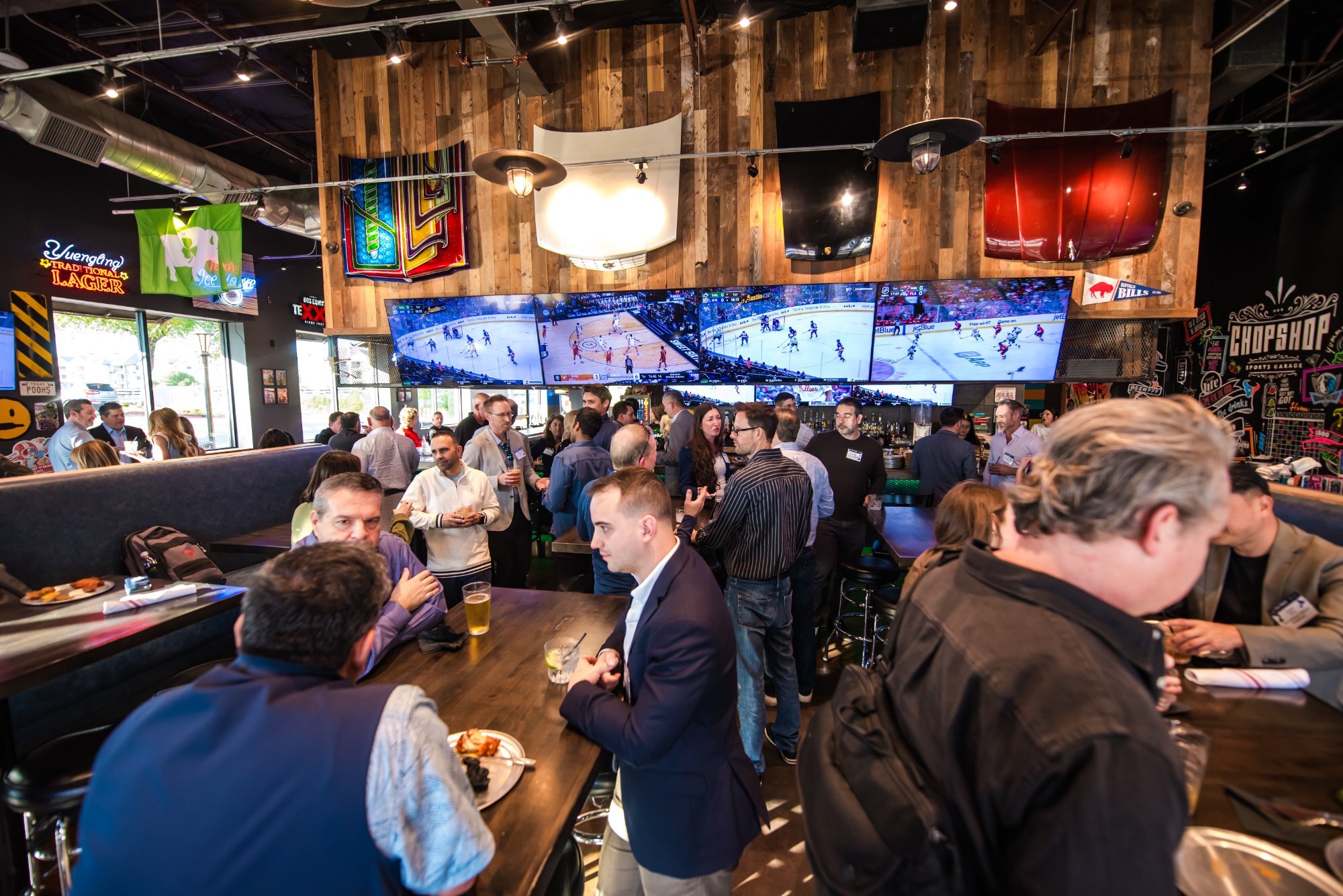
On Thursday, March 26, 858 and NEST hosted the first-ever NEST Chapter Gathering, in partnership with Coca-Cola. Eight 858 client companies anchored the event, which welcomed over 50 brand executives from emerging, mid-market, and enterprise restaurant groups. Operators were organized into four peer groups matched by brand scale and complexity. The day moved through three moderated sessions: an operator-only opening session, followed by two sessions with 858 clients which focused on what's quietly breaking in their operations right while the second focused on which AI applications feel genuinely practical versus overhyped. The day concluded with an all-star panel moderated by Jonathan Maze featuring executives from Brinker, BRIX Holdings, The C-Society & Latitude Food Group followed by an evening social at a local independent Dallas restaurant for March Madness.
Dallas NEST Chapter Gathering 2026 Event Recap
Dallas was a strong start to 2026. Partnering with NEST to launch their inaugural Chapter Gathering, we brought together 50 restaurant brand executives at Chuck E. Cheese’s headquarters for a day of peer dialogue that was candid, commercially grounded, and overdue. Here's our recap.
Event overview
Technology Priorities: Loyalty Leads, but CRM Climbs With Scale
Top 8 tech categories by operator mentions
.png)
What Brand Executives Said
The three moderated sessions generated some of the most candid operator dialogue we've heard. Here's what stood out:
Traffic Is Down. Loyalty Hasn't Fixed It.
Loyalty came up in nearly every group, not as a success story, but as an open question. Programs built around blanket discounts are training guests to wait for an offer rather than building genuine frequency. “Blanket BOGO offers are driving habitual discount seekers, not loyal customers,” a senior marketing director said, noting that loyalty members spent only $1 more on average than nonmembers. One brand grew participation from 7% to 17% over three years and still called it unsolved. Third-party delivery filled volume gaps at a margin cost operators are still rationalizing. The honest question nobody had fully answered: whether the guest relationship built through these channels belongs to the brand at all.
Data is abundant. Usability is not.
The issue isn’t missing information. It’s acting on it. One operator described a typical day as “logging into five to 10 platforms” just to gather data. A CIO said data cleanliness takes so much time that AI hasn’t entered the discussion. The request is clear: one place, one view, and direction on what to do next. Not another dashboard, but a recommendation.
The bar for vendors is high. Operators are feeling the strain of the stack tax.
Tech costs kept coming up. One operator said tech spend can reach 10% of revenue. “Operators are signing agreements they can’t support and can’t exit,” one CEO said. Another said, “Vendors are selling services operators don’t need. It feels like a cash grab.” What stood out wasn’t a product, but the relationship. One CIO said they want partners who offer as much care after the sale as they do during it.
AI Is Working. The Brands Winning Know That Hospitality Comes First.
Operators were at different points in the AI journey. A handful had proof: voice AI handling 84% of phone orders, chatbots driving a 70% reduction in call center volume, event leads routing directly into Salesforce. "AI never calls in sick," one CMO said. The counterweight was equally present. Deployments pulled, pilots rolled back, algorithms blamed when things went wrong. The brands winning invested in hospitality first and let technology follow the foundation. Not lead it.
Winning starts with getting the basics right.
The Chili's story came up organically and kept landing the same way. Menu simplified. Weekly GM-to-leadership feedback sessions. 99% of ideas sourced from the field. What struck the room wasn't the turnaround itself. It was the sequence. Operational clarity first. Technology second. "Often when you hear about winning, it's because they got the basics right," one CEO said. If the foundation isn't right, the technology spend is noise.
Feedback & Learnings
We're proud of how Dallas came together, but we know there's always room to improve. Here's what we heard from brands and tech partners and what we'll do differently next time:
“Business therapy” elevated operators’ perspectives.
A forum to simply discuss where you’re stuck with operations, tech or other challenges was a helpful reset for operators to head back to their teams with new energy and perspective.
Next Time: Continue to be intentional about creating spaces for these organic and candid conversations to take place.
More unstructured networking time.
Not enough room between sessions for spontaneous, high-value conversations to breathe.
Next Time: Add deliberate buffer breaks with a designated space for conversations to continue off the main floor.
The right titles and group size.
Operators complimented the mix of senior leadership present and the total group size.
Next Time: Continue to curate a representative mix across orgs and maintain a manageable group size for easy navigation and networking.
Moderation could’ve been more consistent.
Strong when moderators kept energy moving. Weaker when one voice dominated or topics went too narrow.
Next Time: Moderators should actively redirect conversations that get too technical or one-sided, and push deeper on high-engagement topics before moving on.
With Gratitude
We were excited to have eight 858 clients with us — each a trusted player in a different area of restaurant tech, with little overlap. Each client represented a category that had brand executives already expressing interest, ensuring multiple high-priority prospects for every company in the room. Their affiliation with 858 helped open doors and spark connections from the start.
Event pictures
Take a look at some moments from the event — from great conversations to key highlights. These photos capture the energy of the day and the people who made it memorable.