EVENT RECAP

CFO Summit 2026

The 2nd Annual 858 CFO Summit brought 75 restaurant finance leaders to Las Vegas on the Sunday before RFDC. We read every single note from last year & every pre-event note this year to develop the agenda. We dropped the panel, phones went into a stack in the middle of every table, and CFOs spent the afternoon working through the problems that defined 2026: forecasts that wouldn’t hold, cash that kept surprising them, and margin leaking in places nobody was looking. The evening social at Rare Society for dinner & drinks pre-RFDC. Finance leaders joined from brands including Denny’s, P.F. Chang’s, Golden Corral, Freddy’s, Paris Baguette, Dave’s Hot Chicken, Snooze, bartaco, Salt & Straw, and Wienerschnitzel. Until next time, Vegas!

Event overview

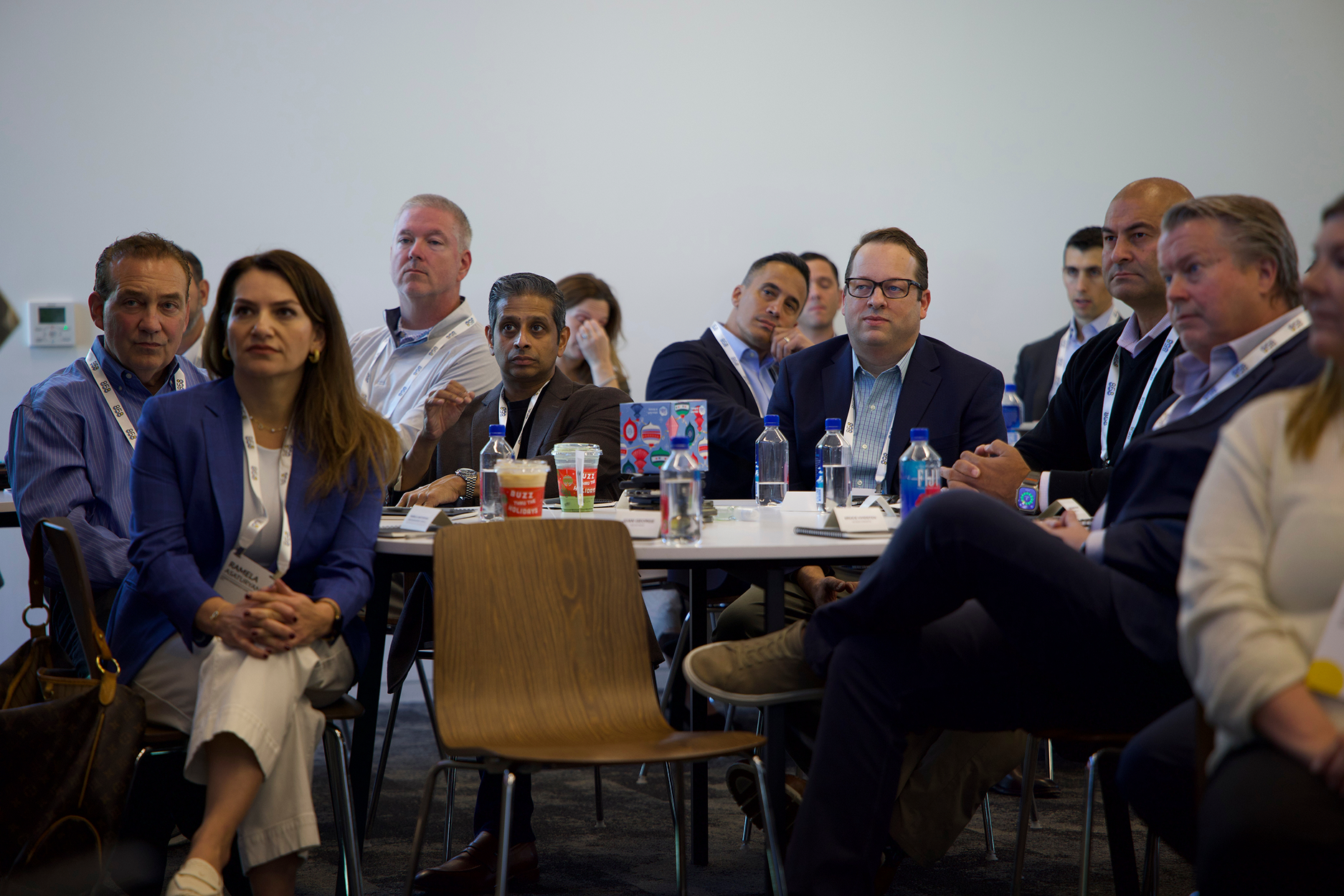
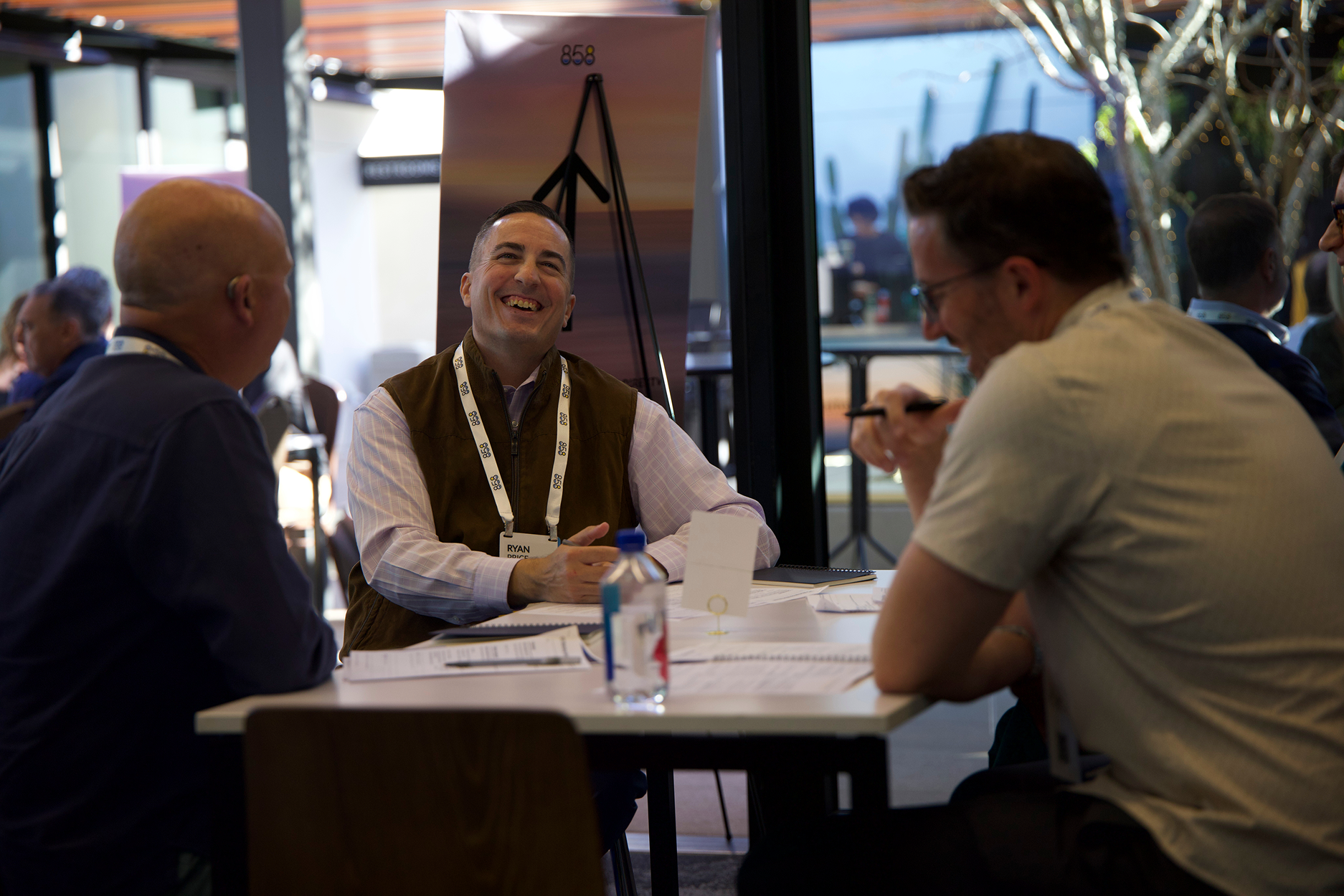
Phones Down, Pens Up. Doors closed at 1:00 and every phone went into a stack in the middle of the table. JG opened by framing the next 18 months as a new era, one that calls for a beginner’s mindset. Then facilitator Angela Parker handed out pens and four journal prompts. What was hardest professionally in 2026? What was hardest personally? What did 2026 teach you? What will you do with that wisdom in 2027? Each table shared out under three rules: say the thing, no performing, really listen.

‍
‍
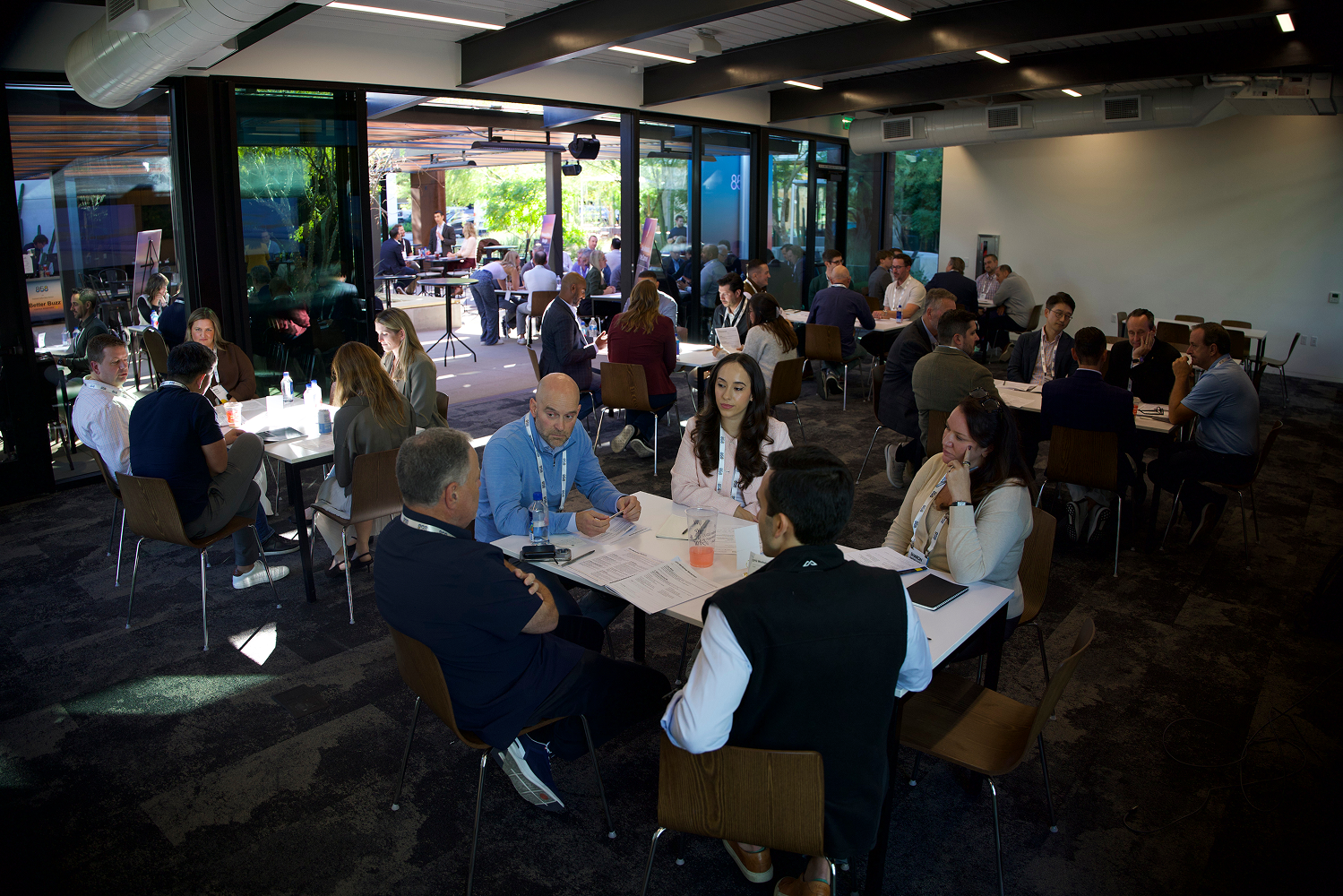
The Workshops. Three tracks, small groups, and a hot seat at every table. At one table, a CFO who had lost their IT leader asked for help and left with a commitment from peers to recommend IT executives from their own networks. More on what came up below.
‍

‍

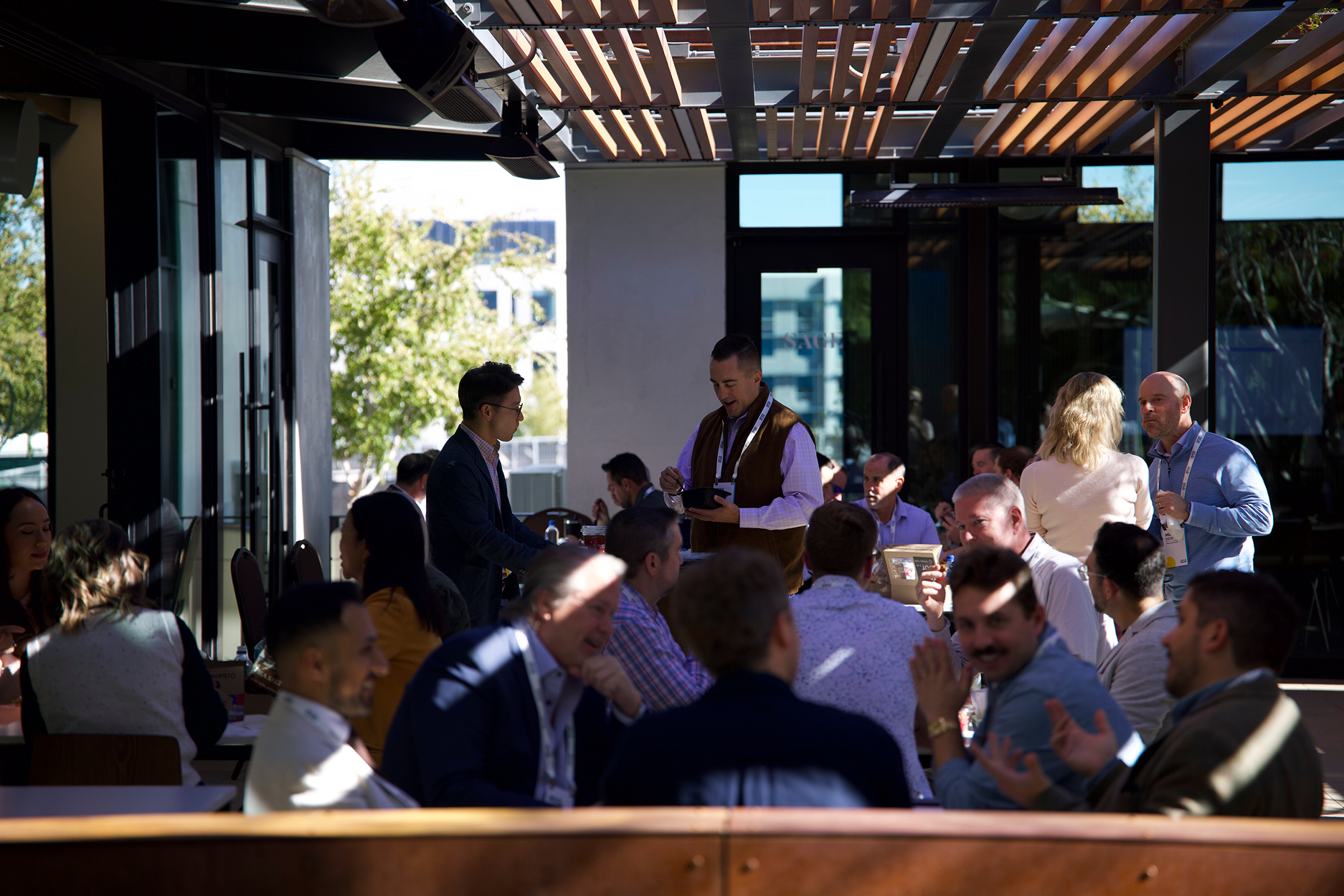
For Us, By Us. We were out of a hotel, so brands fed the day. Urbane Cafe brought salads and sandwiches for the 2nd year in a row. Dave’s Hot Chicken served hot and not chicken. P.F. Chang’s debuted LTOs alongside its best sellers. Paris Baguette brought delicious pastries for the break, and Better Buzz Coffee kept everyone caffeinated again. Salt & Straw brought olive oil ice cream, then teamed up with Better Buzz on an industry-first, 5-star, affogato collab!

‍

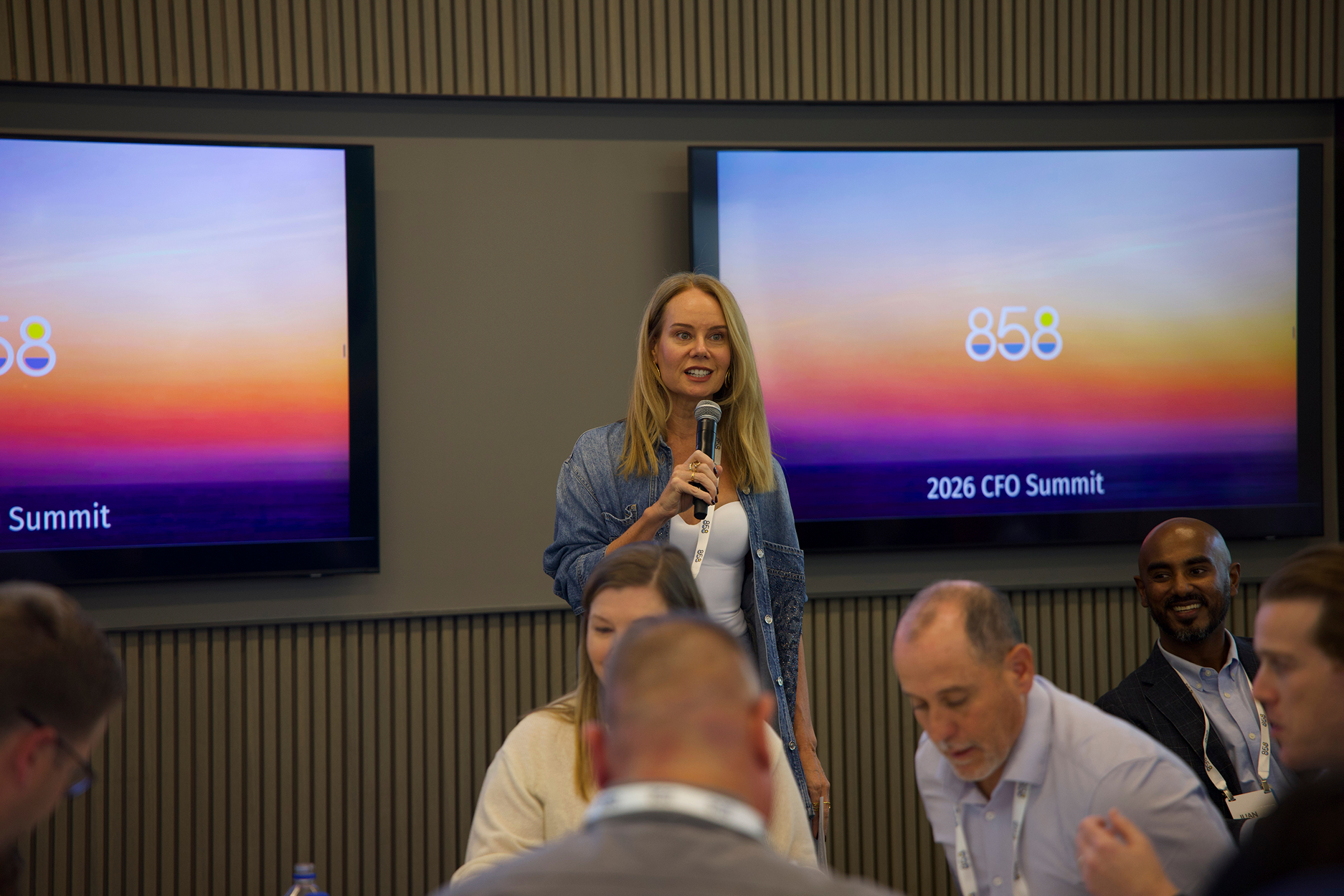
The Stars. A few attendees found a small star on their badge. Nobody told them what it meant until the close: they would stand up, unannounced, and share what they’re taking into 2027. One CFO said her one word coming in was overwhelmed, and going out it was rejuvenated. Another said the wheels he’s trying to reinvent have already been reinvented by someone at the Summit. The theme was hard to miss. You’re not alone.

‍

‍

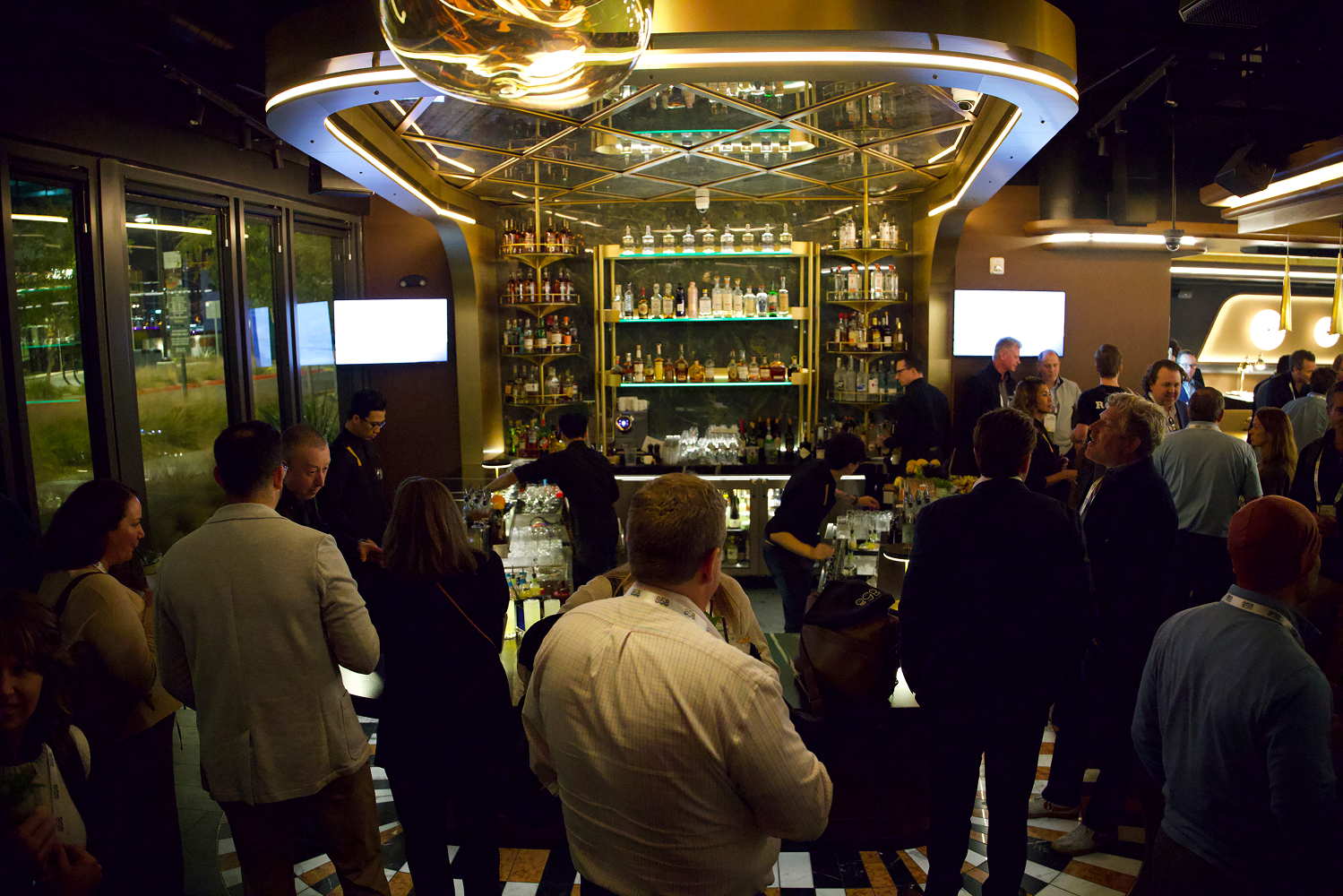
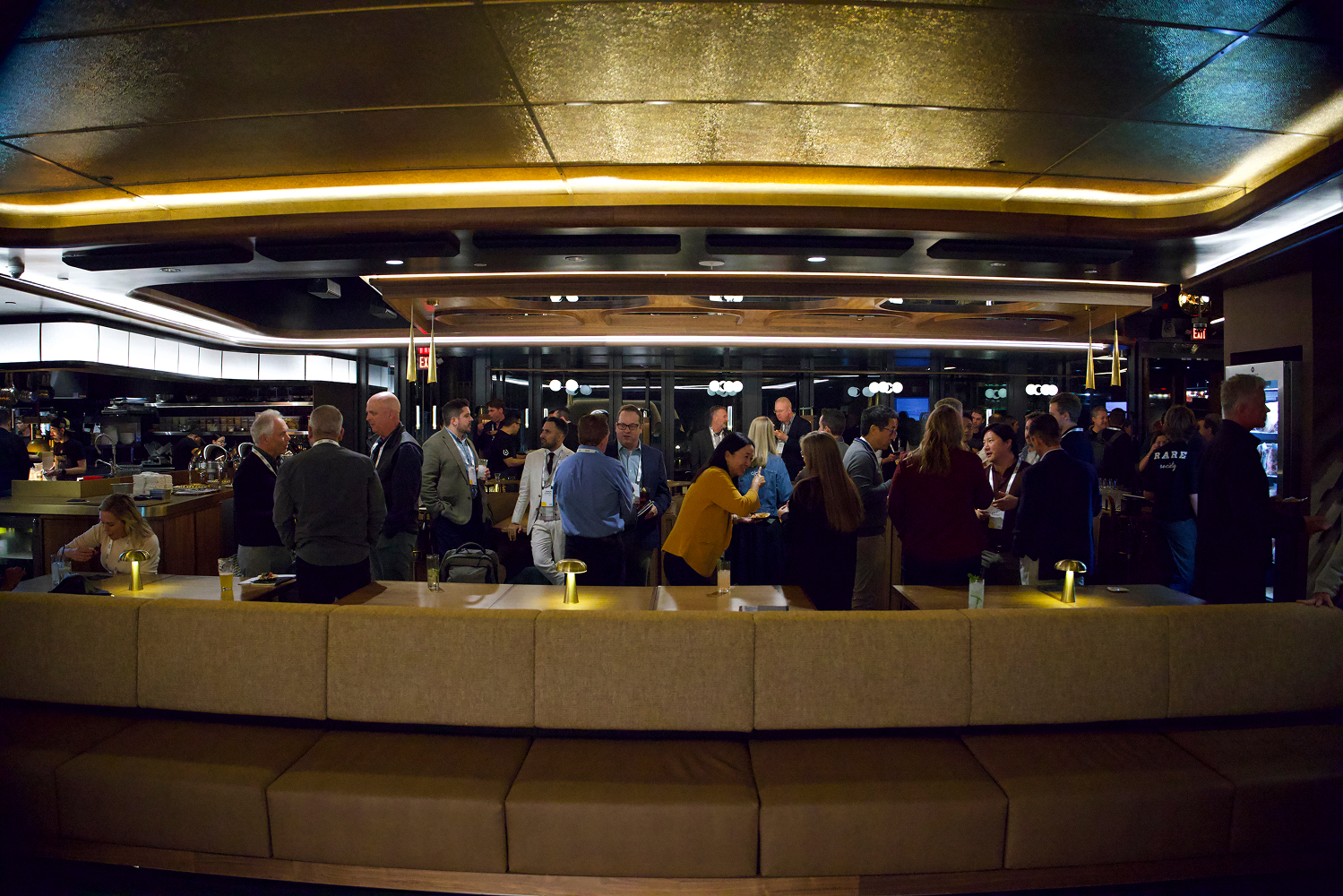
Rare Society. A four-minute walk later, dinner was on at our favorite steakhouse from the 858. Some of the best connections of the event happened here, between tablemates who had met that afternoon.

‍

‍

858 Workshops

We built three tracks from what CFOs told us before the event:

  • See Around the Corner: being the CFO who didn’t see it coming. Forecasts don’t hold, cash surprises you, and the data shows up late.
  • Protect the Margin: seeing it coming and not being able to stop it. Costs climbing, sales softening, margin leaking where nobody’s looking.
  • Grow Smart: every growth call is a bet, with less room to be wrong than ever.

‍

Each group had 4 to 6 people, matched by size, region, menu type, or business model: franchisor, franchisee, or company-operated. Every CFO worked two tracks, about 45 minutes each.

‍

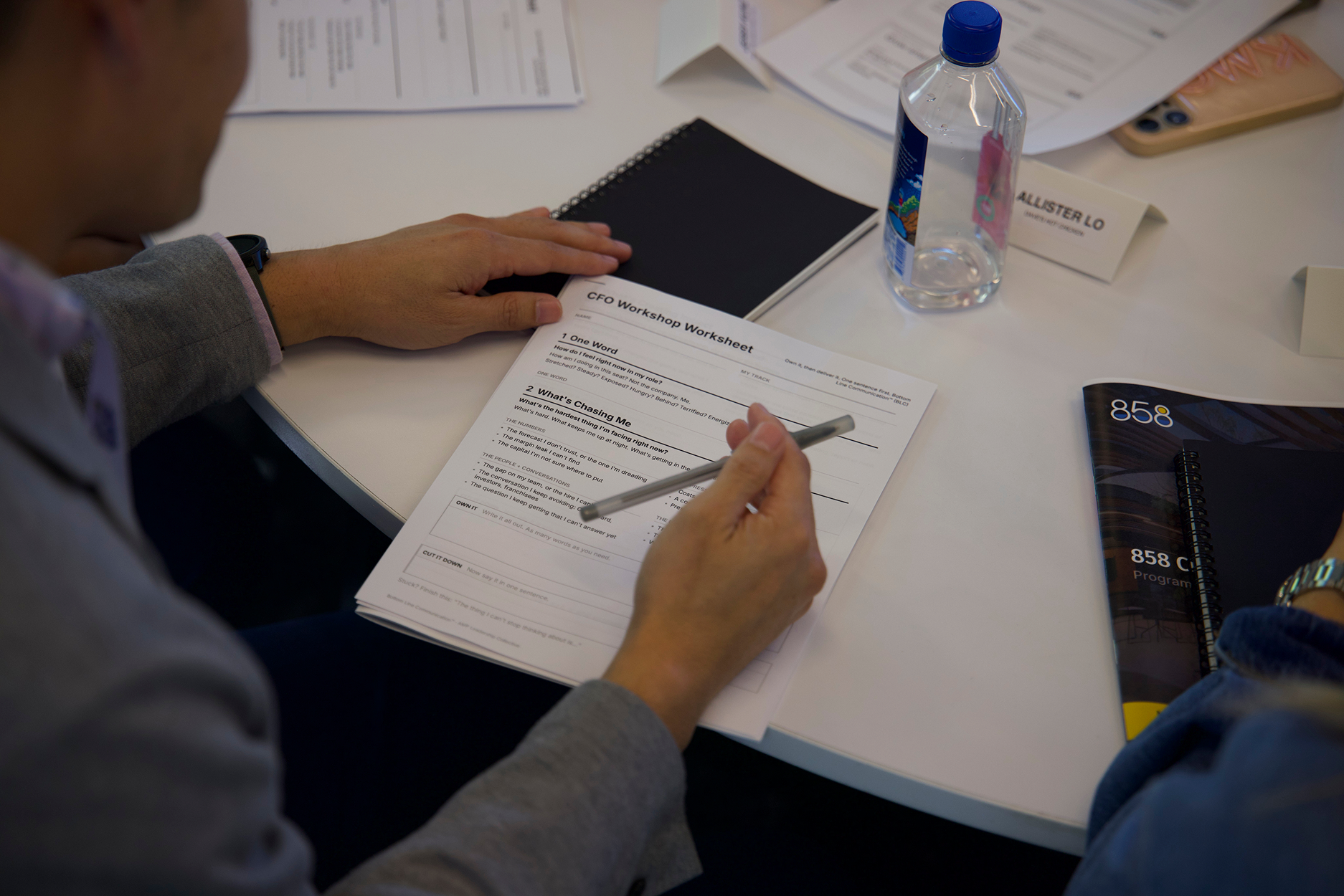
Every group used the same tool: Bottom Line Communication™, Angela Parker’s framework for saying the thing you mean in as few words as possible. Own it: get clear, cut it down. Deliver it: lead with the thing, and add context only if needed. A worksheet walked each CFO through it: one word for how you feel in your role, what’s chasing you, what’s creating impact, a hot seat where one person asks the group for help on a real problem, and a commitment with a date on it. Here’s what came up most across the tables.

‍

Data before dashboards. The loudest forecasting problem wasn’t skill. It was data. CFOs described flying blind, too many systems with no single source of truth, and franchisee financials that don’t line up even when the chart of accounts is the same. The fixes were practical. Benchmark units against peers in the same sales band, so outliers jump out line by line. Build an ideal P&L that tells each restaurant what every line should be at its sales level. Track daily and weekly KPIs, so the P&L stops being the first warning.
‍

Takeaway: you can’t forecast what you can’t see. Clean, consistent data comes before any new forecasting tool.

‍

The margin fight is in labor and delivery. CFOs can see the squeeze coming but can’t always stop it. Labor got the most attention. Several groups are rebuilding labor models from scratch, timing recipes and scheduling off real transactions, built around how their restaurants actually run. One CFO uses AI to compare forecasted hours against actual punches, and it caught padded hours. Third-party delivery came next, the necessary evil. It takes margin and hurts food quality, but guests won’t give it up. Operators are marking up delivery menus, keeping platform marketing spend small, and treating deep discounts with caution. One compared BOGO promotions to a drug: easy to start, hard to quit.
‍

Takeaway: protect margin where you control it, in the labor model and the delivery mix. Cutting what guests feel is the last lever, not the first.

‍

Growth is a bet, with less room to be wrong. More openings don’t automatically mean more value. Every new unit brings obligations past opening day: capital, staff, inventory, and a lease that can flip cash flow negative if it’s signed too early. New markets ramp slower than the home market, and boards often expect home-market speed. One table gave cannibalization a new name: guest migration. The groups leaned conservative. Fund growth from operating cash, not debt, and strengthen the existing base before adding to it. Owners and investors don’t always agree on pace, and covenants tighten as growth speeds up.
‍

Takeaway: every growth dollar competes with the restaurants you already run. Make the case for both.

‍

AI is already paying off in the back office. This was the most concrete conversation of the day. CFOs described AI reviewing the general ledger, checking journal entries, reconciling bank activity across entities in minutes instead of an analyst’s week, automating most of month-end close, forecasting cash daily, and building board decks in a fraction of the time. One franchisor uses it to reconcile franchisee reporting and now spots franchisee stress earlier. The leaders getting the most from it treat adoption as a leadership job: they track usage, reward the best new use each week, and run internal hackathons. Two cautions came up. Teams can dump everything into AI without checking the output, and guest-facing AI takes care, so many operators use it behind the scenes for now. Many still feel behind.
‍

Takeaway: AI’s first payoff is finance’s own workload. Point it at the close, the reconciliations, and the cash forecast, and keep a person checking the output.

‍

Strategy is what you say no to. New leadership teams came up at several tables, each new leader arriving with initiatives of their own. The advice was blunt: keep the company to a handful of real priorities and let departments carry the rest. Someone has to break ties, usually the CEO. The CFO’s job is shifting too, away from building spreadsheets and decks and toward aligning people, motivating teams, and connecting the brand’s story to the numbers.
‍

Takeaway: fewer priorities, clearly owned. The CFO who can say no with the numbers is the one leaders listen to.

‍

Franchisee trust runs on unit economics. Franchise CFOs described three kinds of franchisees, each asking something different of corporate. Less experienced franchisees lean on the brand: you set the model, we’ll follow it, so get it right. Sophisticated operators challenge every assumption and want the return spelled out before they invest. Pragmatic ones want clean, timely numbers. The obligation is the same across all three: make the economics work at every level, not just in the growth story.
‍

Takeaway: report like the franchisee is reading it, because they are.

‍

The commitments. Angela pushed every CFO to put a date on it: if it’s not specific, it won’t happen. A few from the floor: an AI dashboard live for franchisees by year-end, a new labor model with timed recipes by the end of Q1, cash forecasting automated by Q1 2027, and every key leadership hire made by February.

‍

Steal These.
Five ideas from the tables you can put to work Monday:

  • Benchmark each unit against peers in the same sales band, so outliers jump out line by line.
  • Use AI to compare scheduled hours against actual punches.
  • Mark up delivery menus, and keep platform marketing spend small.
  • Fund growth from operating cash, not debt.
  • Reward the best new AI use on your team every week.

‍

Want the full rundown? Check out our program guide.
No items found.

What the Data Told Us

Before the Summit, we asked every registered attendee three things: their top technology priorities for the next one to two quarters, the hardest part of their role in 2026, and what they want to strengthen in 2027. ~75 finance leaders answered from company-owned brands, franchisors, and franchisees. Here’s what they told us, in their words.

‍

Fix the foundation first. Technology strategy and stack rationalization was the loudest priority by a wide margin. ERP and back-office came next, with the guest and labor close behind. Kiosks and robotics barely came up.
The written answers explain why. For one CFO, software transitions were “the most time-consuming” part of the year. Another’s 2027 plan: “consolidating our technology stack and reducing administrative complexity.” A third wants to “modernize our data infrastructure and increase our pace of internal ‘software’ development,” a sign that some finance teams plan to build, not just buy.

‍

Takeaway: 2027 is a consolidation year. Fewer systems, cleaner data, and a clear owner for anything you build.

‍

The board wants AI. The CFO wants the receipt. More than one-third of finance leaders raised AI on their own, and the loudest ask was how: integration, deployment, and day-to-day use.
Two conditions came with it. The first is proof: “clear return on AI,” “where are you seeing the greatest ROI,” and new use cases “without a large expense.” The second is control: AI “in a defined and controlled environment,” with safety named right next to adoption. Many wanted AI inside finance itself, from FP&A to “overhead/G&A right sizing in a Claude world.” One CFO named the tension outright: “How to actually leverage AI at the granular level of each of my office employees while getting pressure from CEO/Board about using it.”

In the workshops, the first real win was concrete. Board and quarterly decks that used to take hours now take a fraction of the time, which frees the CFO to work on the story. One CFO's rule for everything else: don’t use AI to copy an old process. Redesign the process first.

‍

‍Takeaway: pick one finance use case, put a dollar figure on it, then scale. The board’s pressure is real. So is the CFO’s job to prove it pays.

‍

From reacting to anticipating. One-fifth of CFOs named forecasting, cash visibility, or faster reporting as the thing to strengthen in 2027. Margin, profitability, or cost pressure came up in ½ of written answers, often in the same breath. One CFO summed up the goal: “move from reacting to financial results to anticipating them.”

The reasons are specific. Sales forecasts that drive “production planning and labor deployment.” A “real-time view of digital and third-party delivery opportunities and profitability.” Cash flow forecasting and “visibility into franchisee financial health,” from a CFO who expects 2027 “is going to be a tough year due to macro factors.” Another wants to “improve how quickly we translate financial information into action.”

On margin, CFOs are thinking about precision, not blunt cuts. As one wrote, “cutting expenses can solve one problem while creating another: slower service, stretched teams, or a worse experience for guests.” Another named the real enemy: “silent profitability erosion.”

‍

‍Takeaway: the forecast is the product. The CFO who sees it first buys the business time to act.

‍

Franchisor vs. Franchisee Priorities. Both sides of the franchise agreement were at the table. Most attendees came from the brand side. The franchisee CFOs who joined brought a different set of priorities, and their guidance stood apart.

Franchisees put labor, pricing, and delivery first. Guest-facing tools, a priority across much of the brand side, barely came up. Their hardest-part answers explain why. One cited “lack of control as a franchisee.” Another described adding units while margins tightened and building the finance team at the same time. Franchisees control their labor and their pricing. The guest relationship mostly sits with the brand.

Their guidance for 2027 is simple: win on what you control. One franchisee CFO’s plan is “controlling labor and operating costs, and protecting profit margins.” Another described the job as “building a sustainable business while managing labor costs.”
Franchisors see the same pressure from the other side. Franchisee profitability came up again and again in their answers: balancing growth with “sponsor expectations and franchisee profitability,” finding a way to “provide pricing guidance to the franchise system,” and “managing relationships with franchisees in a continuing environment of shrinking profit margins.” Both sides of the franchise agreement are watching the same number.

‍

‍Takeaway: franchisee profitability is the shared pressure point. Brands that help franchisees win on labor and price will have an easier time asking them to invest in the guest.

‍

About this data: a pre-event registration survey of ~75 finance leaders registered for the 858 CFO Summit (November 8, 2026, Las Vegas), ~50 of whom hold the CFO title. Priorities were multi-select. Written answers were optional, and 56 wrote at least one. Quotes are verbatim and anonymous.

What Brand Executives Said

Here's what stood out:

A Step Up “Significant step up in terms of coordination and actual takeaways from last year.”

‍

Peers at This Level “The big benefit I saw was that the attendees were peers, people from companies we know and interact with but not typically in this setting or at this level of detail.”

‍

Deeper Conversations “We were able to get involved in deeper conversations which is always something very rich… Overall, 9.5 out of 10.”

‍

Pushed Past the Comfort Zone “The format this year was good and definitely pushed me past my comfort zone with sharing and unlocked some clarity around priorities that need attention.”

‍

Small Enough, Wide Enough “The group was small enough that I could engage with everyone, yet it still brought together a wide range of individuals and perspectives.”

‍

An Evolution “[Angela’s] facilitated smaller groups encouraged more open and candid discussions… Overall, I thought this year’s format was an improvement/evolution.”

‍

Easier Connections “The assigned seats and name tag-connections were great ideas that allowed for much easier interactions. I received multiple phone numbers and emails.”
‍

A Bench to Call On “I learned a lot and now have 70 pros I can reach out to for collaboration.”

‍

Bring It Back to the Team “It was one of the most valuable parts of the conference; I came away with several things to bring back to my team.”

With Gratitude

Big thanks to our partners: 7shifts, Bikky, Deepgram, DIRECTV, Facteus, FIXE, Loop AI, Momos, Olo, Toast, and With Coverage.

‍

The day worked because of our clients and partners. They set up the operator conversations and kept the focus on peers, not promotion. Thanks also to Angela Parker for leading the day, and to the brands that fed it.

‍

We are headed to Los Angeles for a grand finale in our backyard: the 858 End of Year Business Summit and Holiday Social on December 3 at the Porsche Experience Center. The CFO Summit returns for Year 3 in 2027. Register here.

No items found.
7shifts
Jeremy Terman
Sr. Director of Enterprise
7shifts
Kelsey Fazio
Enterprise Account Executive
Bikky
Chris Thompson
Co-Founder
Bikky
Jackson Irving
Account Executive
Deepgram
William Edwards
VP & GM - Deepgram for Restaurants
DIRECTV
Neil Sudaisar
AVP of Commercial National Accounts
Facteus
Brian Callahan
VP of Corporate Product
Facteus
Shaun Purewal
Sr. VP of Sales, AI & Corporate
FIXE
Matt Greenberg
Director of Sales
FIXE
Ryan Handel
CEO & Co-Founder
Loop
Alexis Marrero
Founding Sr. Account Executive
Loop
Anand Tumuluru
Co-Founder
Momos
James Burdick
Director of Sales
Momos
Jill Bucci
Enterprise Account Executive
Olo
Katie Cofer
SVP of Sales
Olo
Peter Benevides
CFO
Toast
Michael Senno
Sr. VP of Finance
Toast
Jeff Pinc
Director of Enterprise Restaurant Sales
With Coverage
Sage Disch
President of Hospitality & 4-Wall
With Coverage
Christian Ryan
President of Insurance

Event pictures

Take a look at some moments from the event, from great conversations to key highlights. These photos capture the energy of the day and the people who made it memorable.