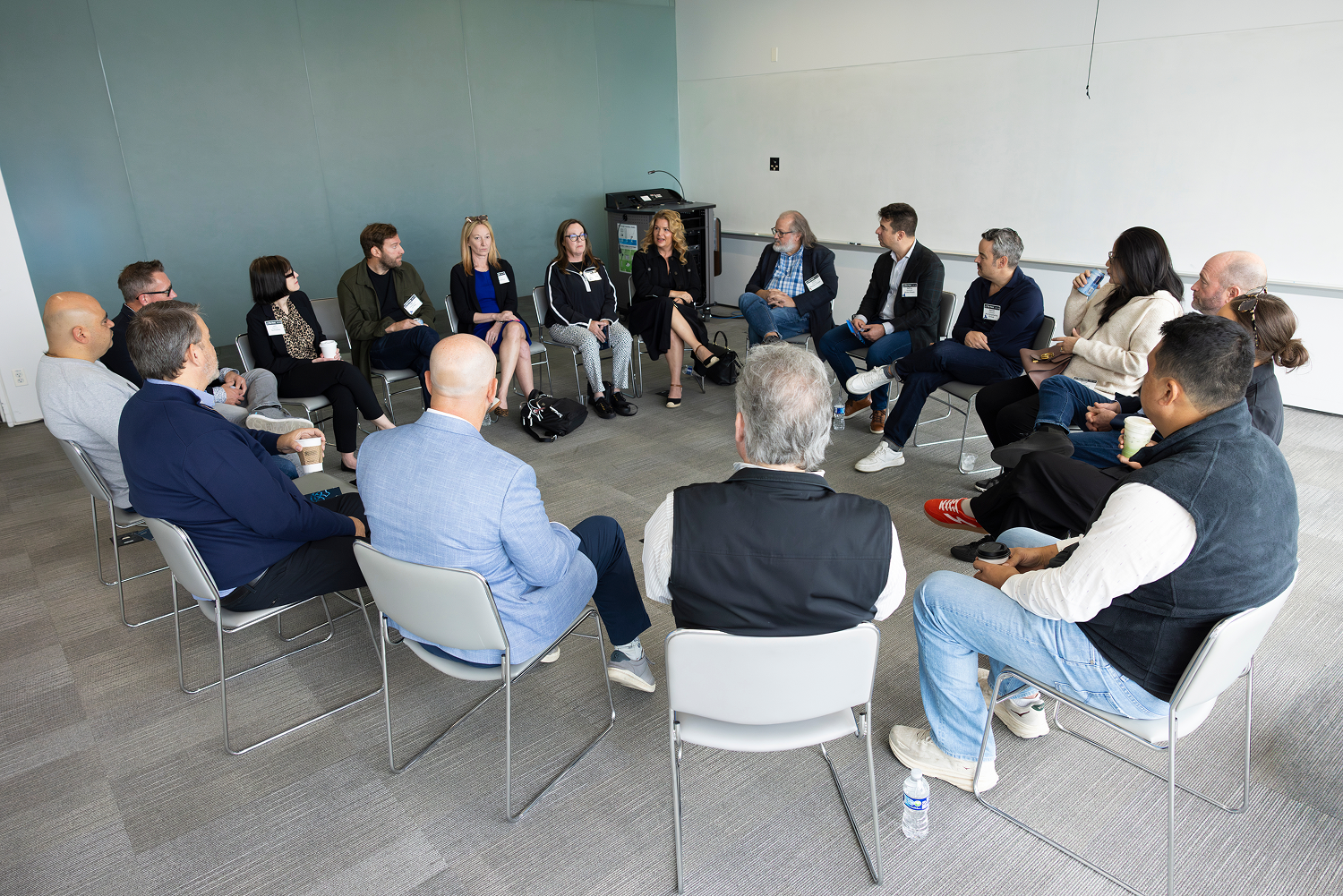
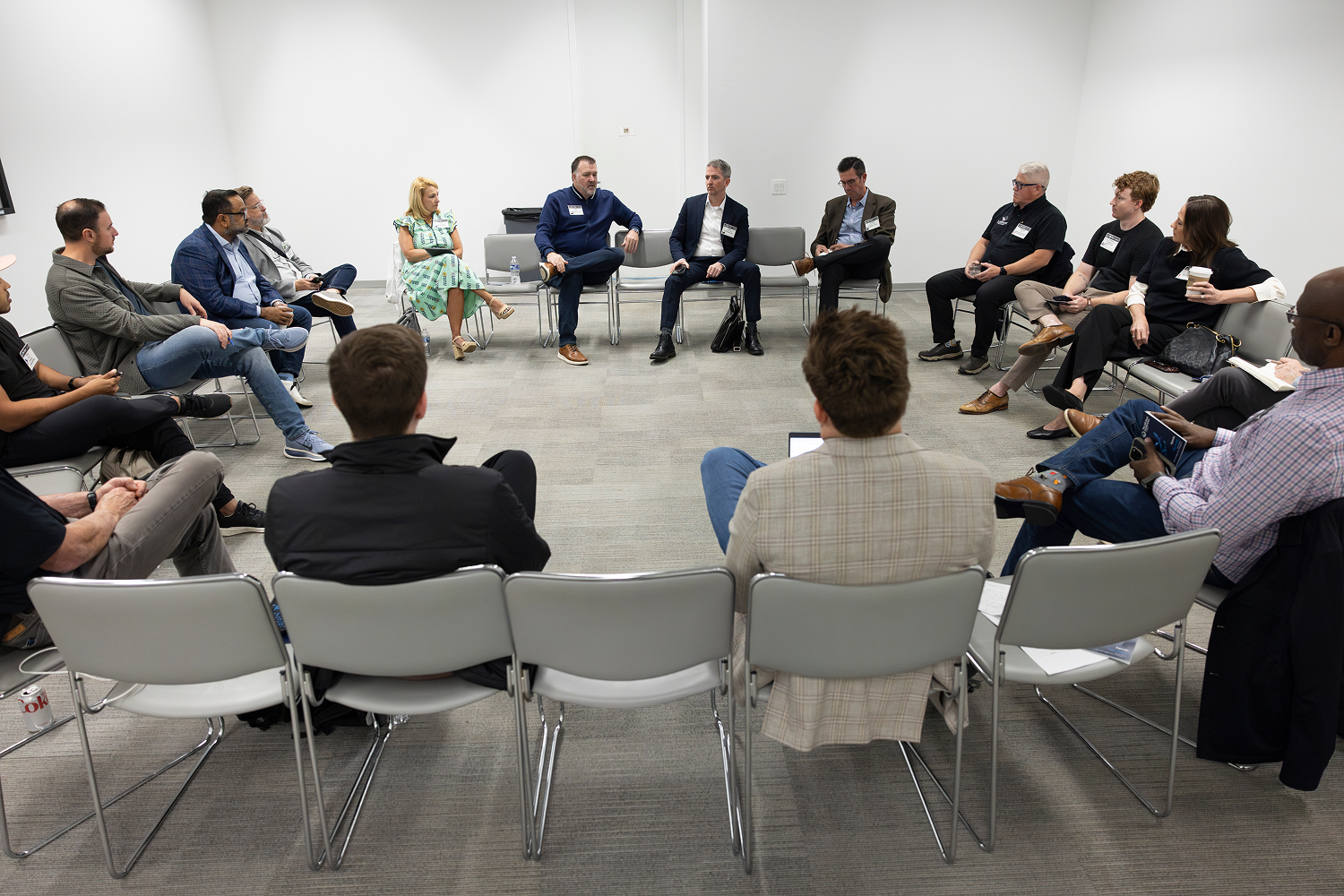
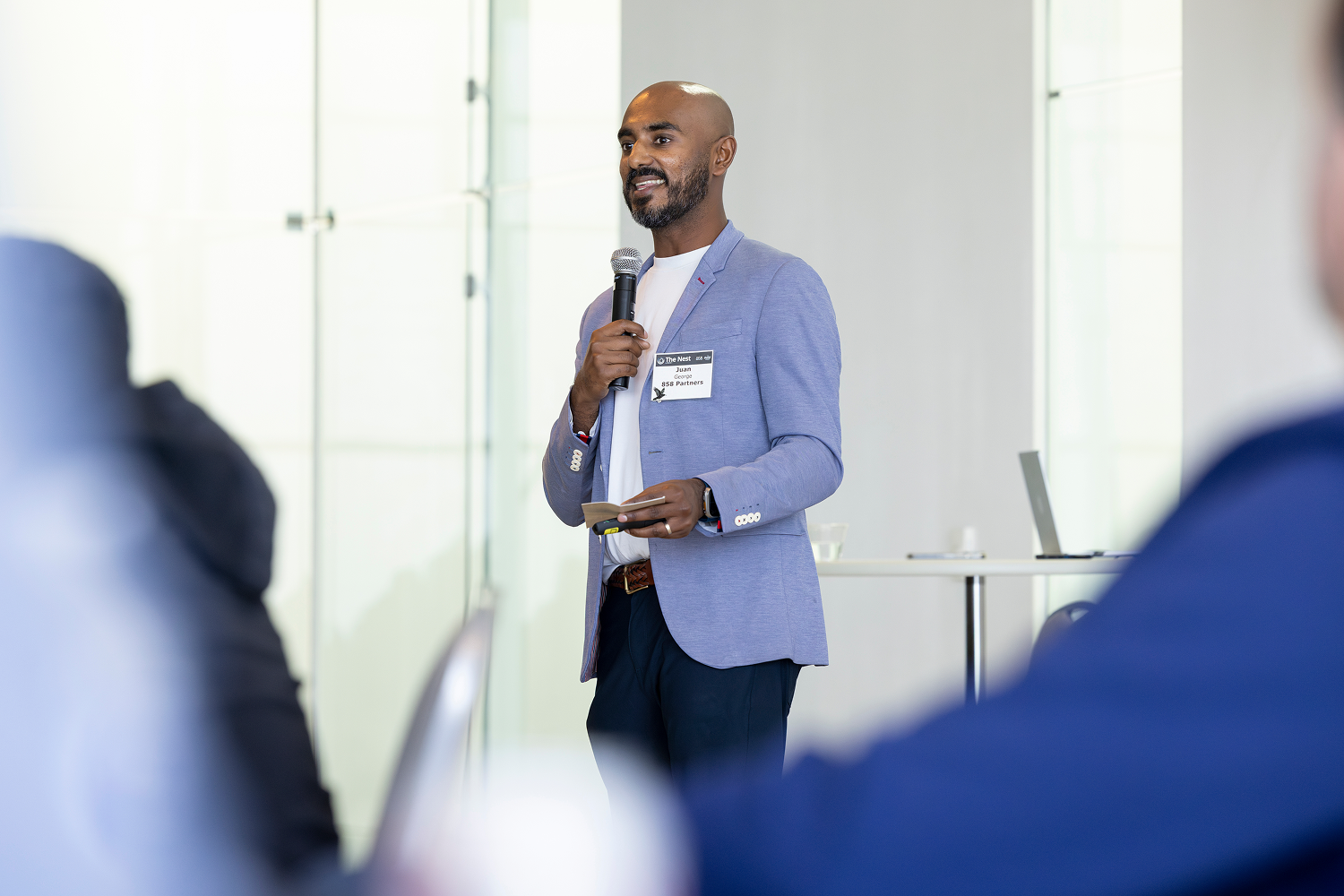
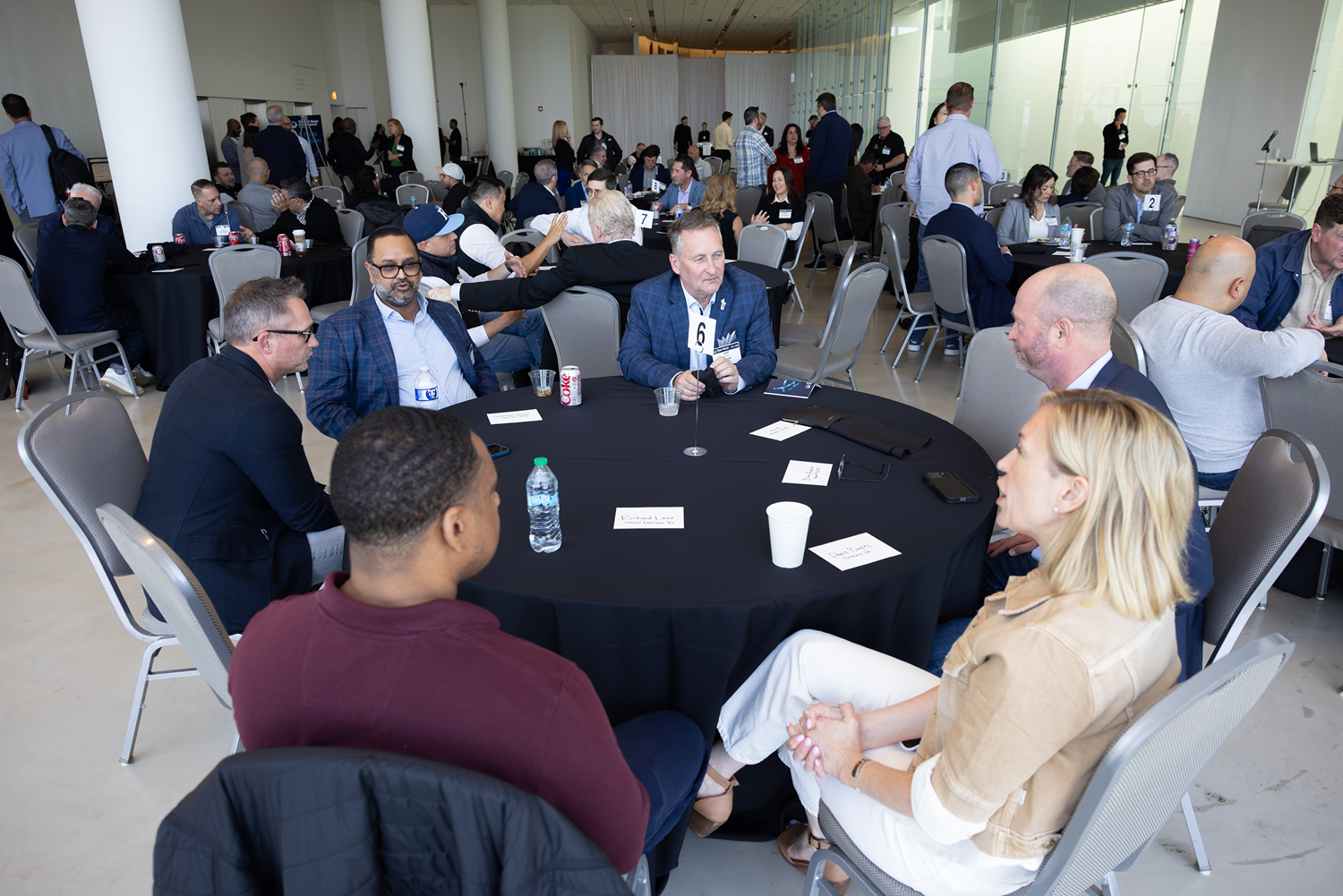
858 developed a one-hour workshop for the Nest executives in attendance, built to pair each brand's operational reality with the broader patterns partners see across systems and scale.
Restaurant brand executives feel behind, and they said so plainly. Across four separate rooms, we assembled cross-functional executive teams, CEOs, CIOs, CMOs, and heads of digital from different brands, and asked each to score one blunt question: on a scale of one to four, where does your brand's guest data actually stand? Among those who scored themselves, the average landed around a two. Four meant a compounding asset that drives personalization in real time and works while you sleep. One meant inherited fragmentation. The words they chose said the rest: fragmented, incomplete, underutilized, unused potential. A multi-thousand-unit brand that had never marketed admitted it was effectively starting from scratch on customer data. A fast-growing coffee brand operating across dozens of states put it at a two and noted that with loyalty covering only part of its base, more than half its customers were invisible to it. The ambition to personalize is running years ahead of the infrastructure built to support it.
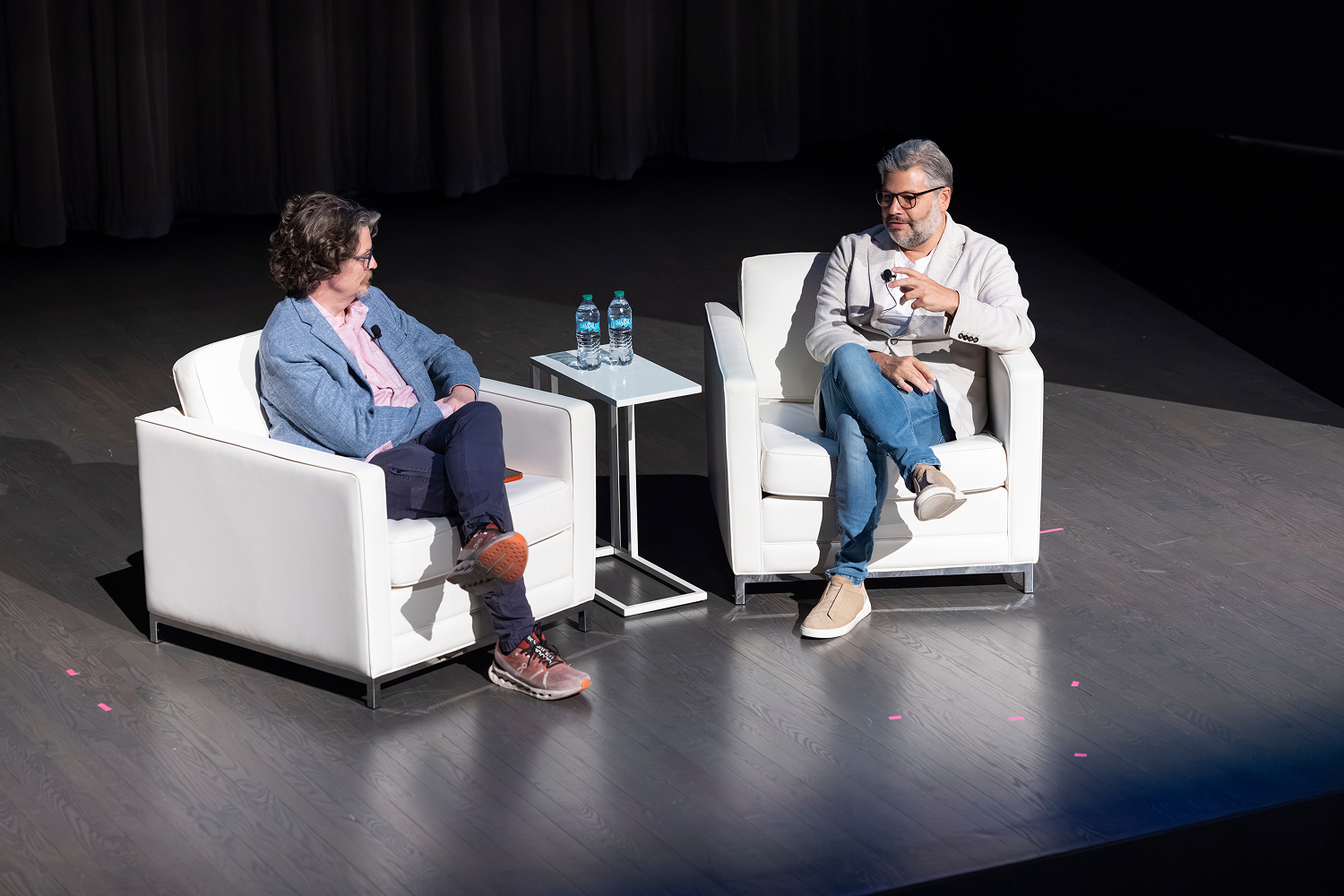
The winners are not the ones with the most data. They are the ones who made theirs usable. The strongest rooms pushed past the plumbing to the moves that matter. One enterprise leader challenged the group to stop reporting what happened an hour or a week ago and start forecasting what will happen next, then to "de-average," moving from mass messages at scale to precise, small-cohort conversations. A technology chief at a data-mature brand offered the counterintuitive play: most operators should not gather more data, they should cut the noise. As he put it, "We're data drunk right now," and the unlock was a clean presentation layer that surfaces a recommendation rather than burying it in dashboards. Underneath it all sat the same root problem, knowing who the guest actually is, as one customer fractures into multiple profiles across cards, phones, apps, channels, and concepts.
The mood is urgency without illusion. As one operator framed the prize of making data finally actionable, the goal was to walk in "the smartest person in the room." Another, running back-to-back years of double-digit growth, admitted the discomfort beneath the numbers: he could not confidently say why it was working, and "we can't spaghetti at the wall our way into double digit comps for the third or fourth consecutive year." The charge to the room was simple: your data is yours, keep ownership of it from the tech companies, and make it usable now. Because the next shift in how guests discover and order is coming through agentic ordering, and it will reward only the brands that are ready when it arrives.
%202.png)


%201.png)